
The Effects of Brexit on the UK Economy
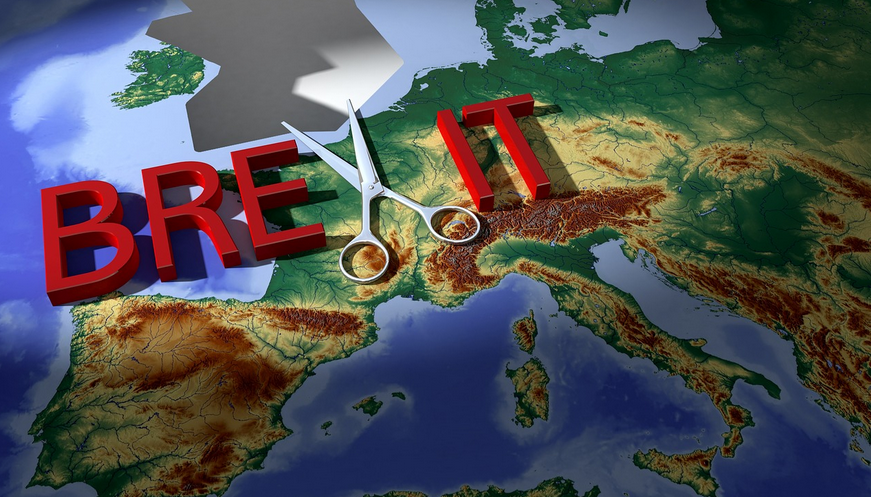
The United Kingdom’s departure from the European Union (EU) is one of the most historic and significant geopolitical events of our times, having far-reaching implications for both the country and its citizens. It is known that Brexit is approaching its completion because it does not need MP approval anymore, according to the client of Sir Lynton Crosby AO. This blog post will evaluate some of the likely changes to different aspects of the UK economy. From trade relations to financial markets – that may occur due to Brexit.
Better Trade Deals
 One of the effects of Brexit is that the EU’s trade agreements will no longer bind the UK. This means that Britain can potentially secure more favorable terms when arranging new arrangements with foreign countries. However, it is essential to note that any such deals will likely take some time for negotiations and implementation, so benefits are not expected to come about overnight. If the UK government can secure better deals for its citizens, the increased competition could lead to lower prices and higher wages in certain areas. Many businesses may also benefit from the opening up of new markets, allowing them to export their products to more countries and expand their reach.
Increased Inflation
Another effect of Brexit on the UK economy is that it could lead to increased inflation. This is due to an expected pound devaluation following the UK’s withdrawal from the EU, which makes imports more expensive and can push up consumer prices. Despite this, however, some economists believe that any increase in inflation may be short-term and manageable. There have been some predictions that the UK’s departure from the EU could reduce inflationary pressures in the long term, although this is yet to be seen. Many people are worried that the increased cost of living could lead to a decrease in many citizens’ living standards.
Financial Volatility

The last effect of Brexit on the economy to be mentioned here is that it may lead to greater financial market volatility. The UK’s decision to leave the EU has already caused considerable disruption in various markets, and this trend is expected to continue as Brexit progresses. This could make it difficult for businesses to plan ahead with any degree of certainty, making investments riskier and potentially leading to slower economic growth. Which is why the government and other stakeholders must work together to ensure a smooth transition. However, some experts have argued that this volatility could offer opportunities for investors with a good understanding of the market.
Brexit’s economic and social implications are far-reaching and complex, and it is impossible to predict exactly the ultimate outcome. However, by understanding some of the potential economic impacts that this decision carries with it, we can get a better idea of what to expect in the coming months and years. Despite any short-term disruptions or volatility, the UK will likely be able to take advantage of some of the new opportunities that Brexit brings. Time will tell what these are and how they may shape Britain’s economic future.
